


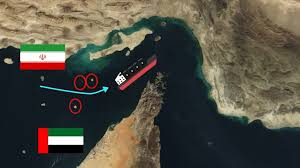
IRAN: Conflicting statements from high-ranking officials in Iran and the United States have created a volatile and uncertain atmosphere regarding the status of the Strait of Hormuz, one of the world’s most vital maritime oil chokepoints.
Divergent Narratives from Tehran
The Iranian military, via state media, has signalled its intent to close the waterway. This follows a warning from Iran’s parliament speaker, who asserted that the strait would "not remain open" should the United States maintain its current blockade of Iranian ports.
However, the diplomatic wing of the Iranian government offered a different perspective on Friday. The Foreign Minister stated that the waterway would remain "completely open" to commercial vessels for the duration of the current ceasefire.
Washington’s Stance and Disputed Agreements
U.S. President Donald Trump countered threats of closure on Friday, maintaining that the strait is "open and ready for business." He reaffirmed that the U.S. blockade would persist until a comprehensive peace agreement is finalized.
President Trump further claimed that Iran has "agreed to everything," specifically citing the removal of enriched uranium from Iranian soil to the United States. Iranian officials have since issued a formal denial of this claim.
Current Status of the Waterway
Despite the heightened rhetoric, maritime data suggests that commercial operations have not yet ground to a halt.
-
Maritime Traffic: Data from the tracking service Marine Traffic confirmed that several tankers successfully crossed the strait on Saturday.
-
On-the-Ground Analysis: Observers, including the BBC’s Lyse Doucet, describe the situation as deeply "confused," characterized by a disconnect between official threats and the reality of ongoing maritime activity.
The Strait of Hormuz is a critical artery for global energy, with approximately one-fifth of the world's total oil consumption passing through the waterway daily. Any sustained disruption would likely have immediate impacts on global energy prices.