


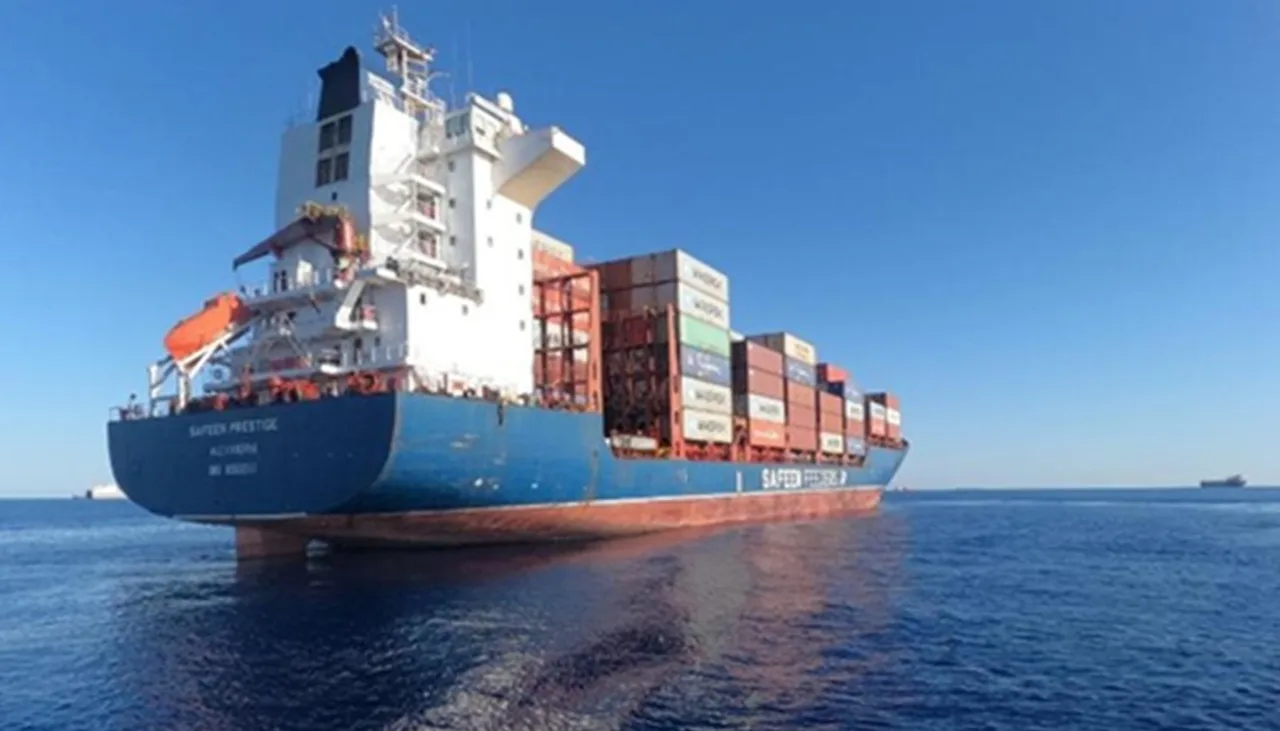
TEHRAN: In a significant shift for global energy markets, the Iranian Foreign Ministry has announced that the Strait of Hormuz is now "completely open" to all commercial maritime traffic. The declaration coincides with a 10-day ceasefire between Israel and Lebanon, providing a fragile window of calm in the six-week regional conflict.
Strategic Opening and Market Reaction
The announcement immediately impacted global markets, with oil prices dropping significantly following the news. The Strait of Hormuz is widely considered the world's most critical oil transit point, with roughly 20% of the global petroleum supply passing through its narrow waters daily.
Despite the opening, analysts remain cautious due to:
-
Maritime Safety: Continued monitoring for naval hazards in the area.
-
Controlled Routes: Specific guidelines for vessels to follow authorized corridors.
The U.S. Position: Pressure Until a Final Deal
U.S. President Donald Trump initially signaled approval of the move via social media. However, he quickly clarified that the U.S. naval blockade of Iranian ports remains in full force.
The administration has stated that the blockade will continue until a comprehensive peace deal is finalized, emphasizing that economic pressure will be maintained until all terms of the agreement are met.
Lebanon Truce Holds Amid Humanitarian Crisis
The broader regional de-escalation follows a 10-day ceasefire between Israel and Lebanon. While the truce sparked celebrations in Beirut, the humanitarian toll of the preceding six weeks remains severe:
While displaced residents have begun attempting to return to their homes, military forces on both sides remain on high alert. The success of this 10-day window is viewed as a critical test for a broader, permanent diplomatic resolution.