


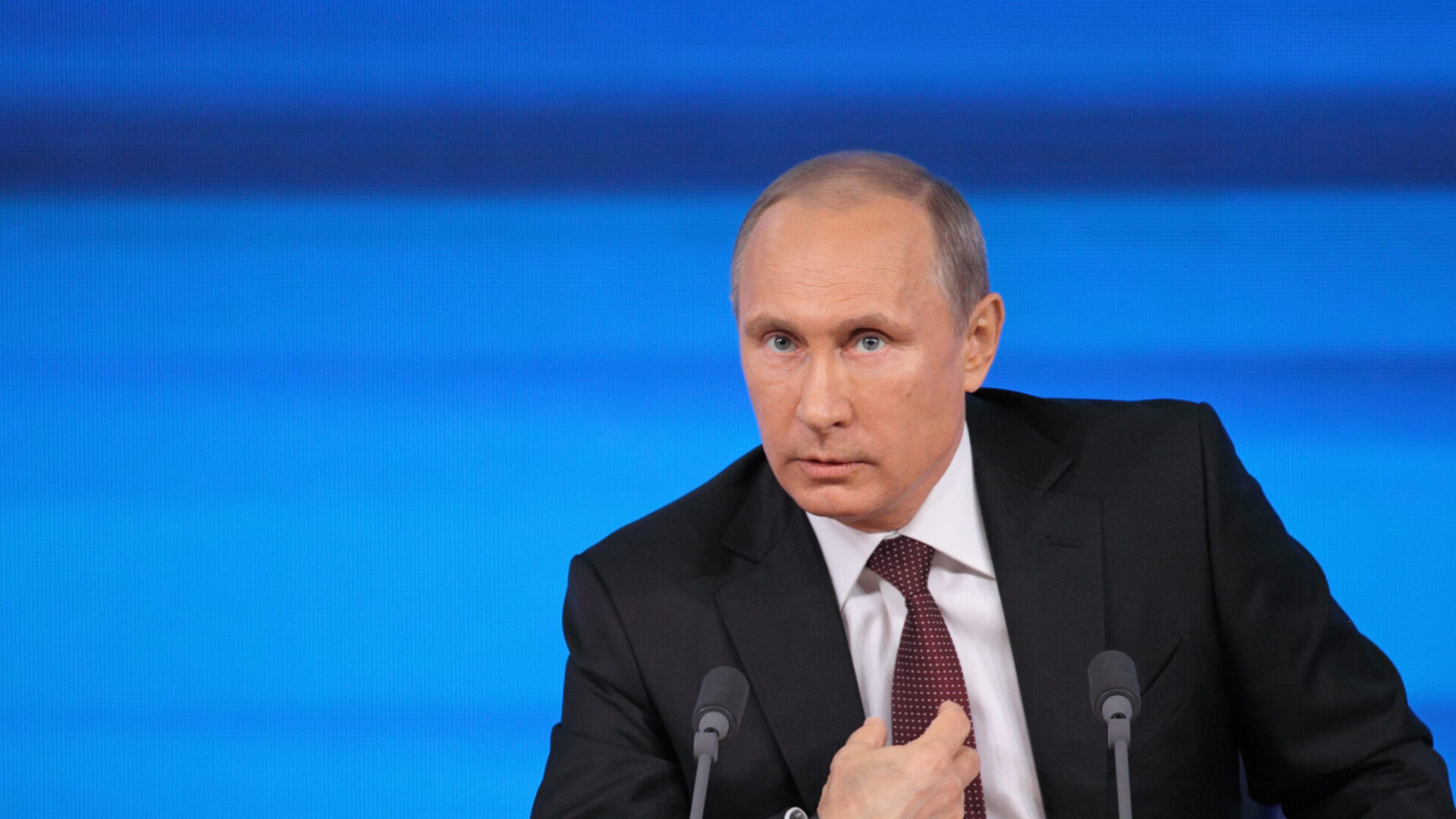
Putin Offers Mediation as US-Iran Talks Collapse in Islamabad
MOSCOW/ISLAMABAD: Russian President Vladimir Putin held a telephone briefing with Iranian President Masoud Pezeshkian on Sunday, offering Moscow’s support to navigate the escalating Middle East crisis following the total breakdown of back-channel negotiations between Tehran and Washington.
Russia Positions Itself as Mediator
According to a Kremlin readout released by AFP, President Putin reaffirmed Russia’s commitment to facilitating a "political and diplomatic settlement" to the regional conflict. The Kremlin stated that Putin expressed a readiness to mediate efforts aimed at achieving a "just and lasting peace," positioning Moscow as a primary diplomatic alternative following the exit of American negotiators.
Total Withdrawal of US Delegation
The Russian outreach follows the abrupt conclusion of high-stakes discussions in Islamabad, Pakistan. A U.S. official confirmed that the entire negotiating team has withdrawn from the Pakistani capital, signaling a significant impasse in efforts to de-escalate tensions.
The delegation—which included chief negotiators Steve Witkoff and Jared Kushner—departed after marathon sessions reportedly failed to yield "meaningful progress" on the multifaceted conflict involving Iran and its regional proxies.
Key Details of the Departure:
-
Location: The team was confirmed to be at Ramstein Air Base in Germany during a stopover.
-
Status: Despite earlier speculation that mid-level officials might remain to continue technical talks, a spokesperson traveling with Vice President JD Vance confirmed that no members of the team stayed behind.
Tehran Cites Lack of Trust
The collapse of the talks has been met with sharp criticism from Iranian leadership. Mohammad Bagher Ghalibaf, Speaker of Iran’s Parliament, took to social media to blame the United States for the diplomatic failure.
"My colleagues in the Iranian delegation put forward constructive initiatives, but the other side was unable to gain the trust of the Iranian delegation," Ghalibaf stated on X.
The failure of the Islamabad track marks a precarious turn in Middle Eastern diplomacy. With the United States currently absent from the negotiating table, the focus shifts to whether the Kremlin can successfully leverage its relationship with Tehran to prevent further regional escalation.