


Trump Orders U.S. Navy Blockade of Strait of Hormuz After Iran Nuclear Talks Collapse
ISLAMABAD: Tensions in the Middle East reached a critical flashpoint on Sunday after President Donald Trump announced that the U.S. Navy would begin a naval blockade of the Strait of Hormuz. The decision follows the collapse of high-stakes negotiations in Pakistan aimed at curbing Iran’s nuclear program.
Naval Blockade and Maritime Deadlock
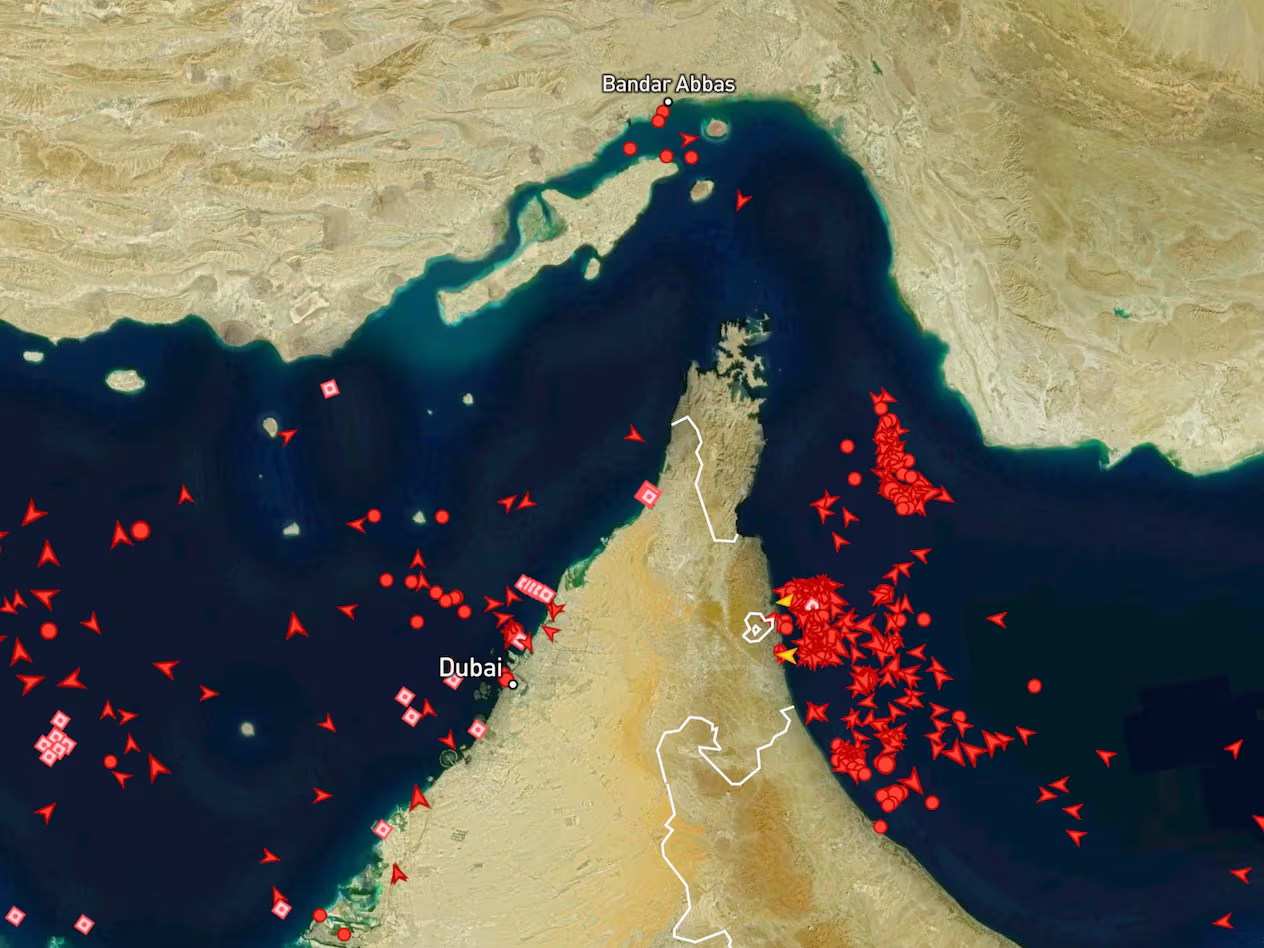
The President declared on Truth Social that U.S. forces would "blockade any and all ships" attempting to transit the vital waterway. The move is a direct response to what the administration describes as Iranian "extortion" regarding shipping tolls and its refusal to halt uranium enrichment.
-
The Mandate: U.S. naval assets have been instructed to interdict vessels in international waters that have paid transit fees to Tehran.
-
The Objective: To deny Iran the ability to profit from the strategic chokepoint while pressuring the regime to return to the negotiating table with significant concessions.
Failure of the Islamabad Summit
The announcement comes hours after a 21-hour marathon of face-to-face talks in Islamabad ended without an agreement. The U.S. delegation, led by Vice President J.D. Vance, reportedly issued a "final and best offer" that required Iran to provide an affirmative commitment to abandon its nuclear weapons ambitions.
"Iran is unwilling to give up its nuclear ambitions," Trump stated, placing the blame for the diplomatic failure solely on Tehran.
Conversely, the Iranian delegation argued that the U.S. had failed to build the necessary trust for a lasting deal, citing a lack of guarantees regarding sanctions relief and regional security.
Regional Implications: Lebanon and Israel
While the U.S.-Iran relationship deteriorates, a separate diplomatic track is emerging. Israel and Lebanon are scheduled to hold direct talks in Washington next week—the first such formal engagement in decades.
However, the prospects for peace remain clouded by ongoing military activity. Reports from southern Lebanon indicate that Israeli strikes have continued unabated, even as both nations prepare for the U.S.-mediated summit.
Analysis: Escalate or Negotiate?
International observers suggest the White House is now at a crossroads. By implementing a blockade on a route that carries approximately 20% of the world’s energy supplies, the administration is pursuing a "maximum pressure" strategy that risks a direct military confrontation or a global energy shock.
The coming days will determine if this aggressive stance forces a diplomatic breakthrough or precipitates a wider regional conflict.