


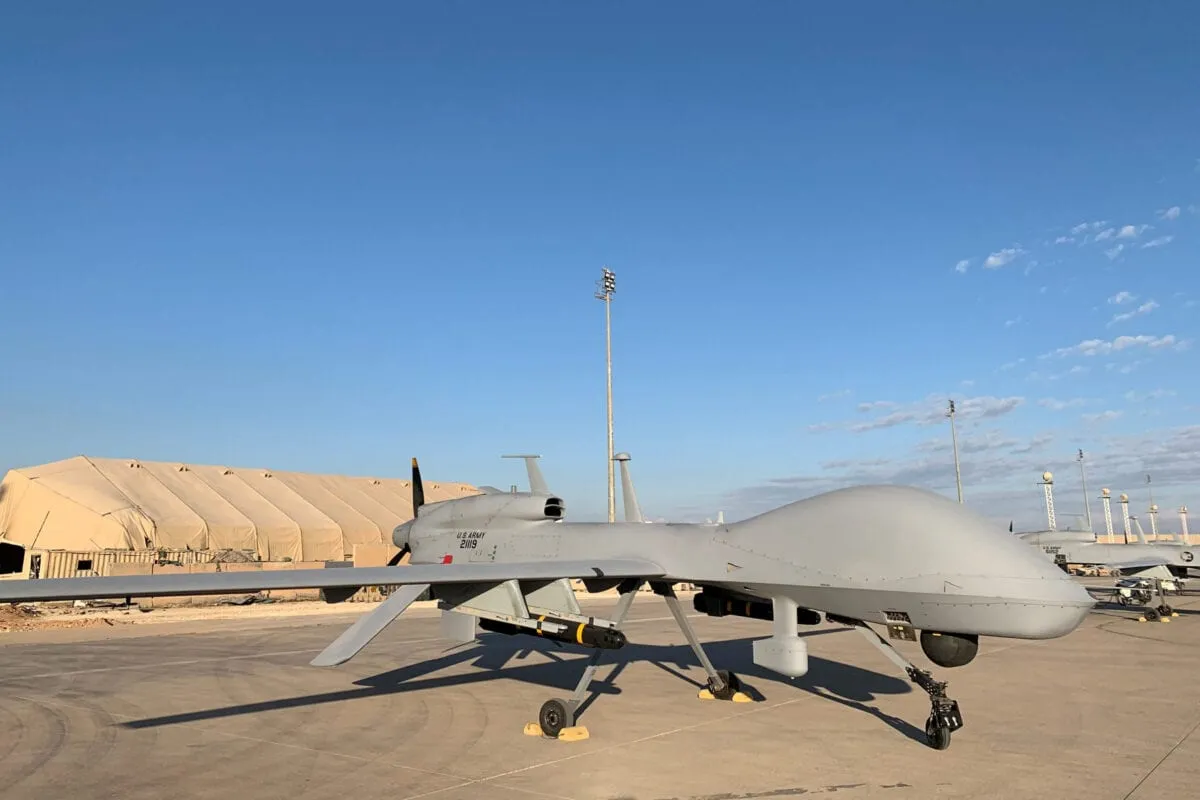
Saudi Arabia has shut down its vital East-West oil pipeline following a drone strike originating from Iraqi territory. The 1,200-kilometer pipeline, which accounts for roughly 4% to 5% of the global oil supply, allowed the kingdom to bypass the strategic Strait of Hormuz. Satellite imagery confirmed scorched ground and smoke near the site, and the Saudi foreign ministry reported minor injuries and ongoing damage assessments. Despite the provocation, Riyadh has chosen not to retaliate immediately, opting instead to support an investigation initiated by the Iraqi government.
Regional Reactions and Political Fallout Following the attack, Iraq dismissed the military commander of the Maysan governorate—the border province adjacent to Iran from where the drones were reportedly launched. The Gulf Co-operation Council, representing the United Arab Emirates, Bahrain, Oman, Qatar, and Kuwait, strongly condemned the strike, labeling it a dangerous escalation and a severe violation of international law. Saudi Arabia affirmed its commitment to protecting its sovereignty and vital infrastructure while acknowledging the Iraqi prime minister's appeal for restraint.
Broader Geopolitical Pressures The pipeline disruption coincides with a significant territorial advance by Houthi rebels in Yemen, who have seized control of crucial coastline areas and the Bab al-Mandab Strait. While the group maintains that maritime traffic remains open to most international shipping, the dual crises on both sides of the Arabian Peninsula have heavily strained global supply chains. Consequently, international crude oil prices surged past $100 per barrel for the first time in months, reflecting heightened global anxiety over energy security.