


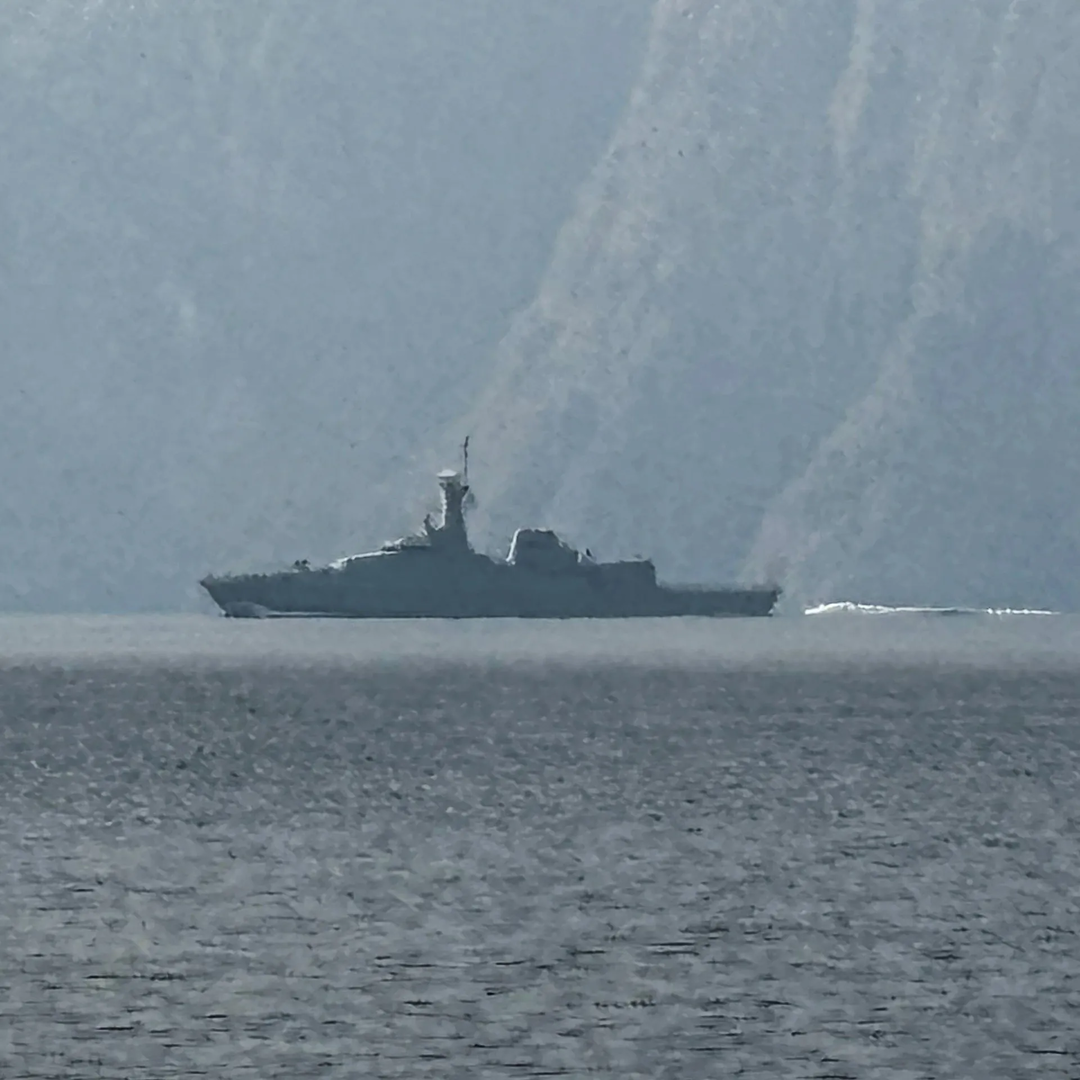
The International Maritime Organization (IMO) has temporarily suspended the evacuation of over 11,000 sailors stranded in the Strait of Hormuz following a projectile attack on a commercial vessel.
IMO Secretary-General Arsenio Dominguez confirmed that while several crews had already been successfully evacuated, the remaining operations are on hold until necessary safety guarantees can be re-established. The pause follows an incident involving the Singapore-flagged cargo ship Ever Lovely, which was struck southeast of Oman's port of Dahit. While United States officials attributed the strike to Iran, the vessel sustained no casualties and successfully completed its transit through the strait without requiring assistance.
The maritime corridor has been heavily disrupted since February due to military conflict involving the United States, Israel, and Iran, leaving hundreds of ships and thousands of mariners stranded. The UN-led evacuation framework, which was launched earlier this week following an initial reopening of the waterway, had received cooperation from regional coastal states, including Iran, Oman, and the U.S. However, the IMO noted that the attacked vessel was not participating in the official UN evacuation program at the time of the incident.
Regional oversight remains complex, as the Persian Gulf Strait Authority (PGSA) warned that vessels departing from designated routes assume all operational risks. Under a recent 14-point diplomatic agreement intended to de-escalate hostilities, Iran agreed to facilitate the safe passage of commercial vessels for a 60-day period. However, tensions persist over Tehran's proposals to levy maritime service fees on transiting ships. The United States opposes any such charges, maintaining that the Strait of Hormuz is an international waterway where transit tolls cannot be legally imposed.
Despite the recent security incident, global energy markets have shown signs of stabilizing. Oil prices had previously surged when the critical trade route was effectively closed, but they have recently declined toward pre-conflict levels following a June 17 Memorandum of Understanding that established a 60-day window for broader diplomatic and nuclear negotiations.