


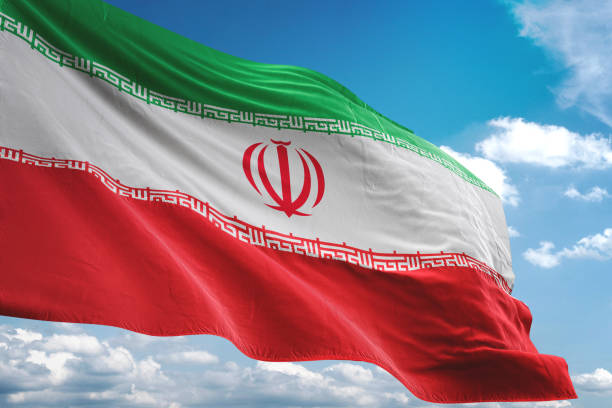
The Iranian leadership is engaged in a complex domestic political campaign to present an emerging memorandum of understanding (MoU) with the United States as a victory achieved through resistance, rather than a diplomatic retreat. This narrative faces significant challenges following a damaging conflict, severe economic strain, and intense domestic debate over the country's geopolitical direction.
Domestic Framing and Internal Support
Senior officials have united behind a narrative of success. Parliament Speaker Mohammad Bagher Qalibaf described the tentative agreement as a major step toward final victory, while President Masoud Pezeshkian suggested the framework could fundamentally transform Iran and the wider Middle East by resolving long-standing systemic issues.
The involvement of Qalibaf is particularly notable. As a high-profile figure separate from President Pezeshkian’s moderate faction, his endorsement indicates that the accord carries the backing of powerful establishment sectors, including elements within the Islamic Revolutionary Guard Corps (IRGC).
Tehran’s official position highlights the perceived failure of Washington and Israel to achieve their primary strategic objectives. Iranian officials emphasize that the government did not surrender, the ruling system remains intact, the nuclear program was not dismantled by military means, and regional alliances—specifically with Hezbollah—persist. Furthermore, Tehran has secured a seat at the negotiating table with Lebanon integrated into the diplomatic framework and sanctions relief under active discussion.
Internal Dissent and Economic Realities
Despite the official consensus, the draft agreement faces criticism from within the establishment. The deputy chair of parliament's National Security Committee criticized the document, suggesting it compromised national sovereignty and alleging that negotiators deviated from high-level directives regarding shipping access in the Strait of Hormuz.
For months, hard-line factions within the legislature, state media, and pro-government circles have warned against diplomatic engagement with Washington. These critics argue that previous negotiations served as a distraction for joint US-Israeli military preparations, viewing any current compromise as appeasement. However, a recent reduction in public dissent suggests that supreme state authorities have mandated progress on the deal, concluding that the geopolitical and economic costs of rejecting the framework outweigh the domestic political fallout.
The Iranian economy remains a driving factor behind the diplomatic pivot. Prolonged sanctions, shipping restrictions, reduced oil revenues, and severe inflation have placed immense pressure on the population. For the public, the primary concern is whether the agreement will yield tangible economic relief and reduce the immediate threat of further conflict.
International Dynamics and Strategic Hurdles
From the American perspective, US Vice President JD Vance clarified that Iran would not receive direct US taxpayer funds, though the relaxation of sanctions could unlock billions of dollars in frozen assets based on compliance. Tehran intends to frame these funds as capital for national reconstruction rather than foreign dependency.
Nevertheless, substantial obstacles remain ahead of upcoming negotiations in Switzerland. Critical issues—including the status and enrichment levels of Iran's uranium stockpiles, international verification mechanisms, the extent of sanctions relief, and regional security arrangements regarding Lebanon and the Strait of Hormuz—have yet to be finalized.
The regional situation is further complicated by Israeli policy. Prime Minister Benjamin Netanyahu has maintained that Israeli forces will remain in southern Lebanon as long as necessary. Concurrently, US President Donald Trump has expressed public dissatisfaction with aspects of Israel's military operations in Lebanon, specifically regarding civilian casualties and a recent strike on Beirut, while reaffirming the strength of the US-Israeli relationship. Tehran has viewed this public friction as a sign of leverage, though ongoing military operations in Lebanon continue to threaten the stability of the draft accord.
Public Perception and Outlook
Public reaction reflects the deeply fractured state of Iranian society. Public sentiment ranges from deep skepticism regarding the government's long-term management of the deal to disappointment among anti-regime factions who had hoped external military pressure would trigger systemic political change. Conversely, some segments of the population accept the government's narrative that resistance forced the diplomatic concessions, while others view the accord pragmatically as a necessary window for economic stabilization and regional calm.
Ultimately, the Iranian government’s portrayal of the agreement as a triumph reflects the political difficulty of acknowledging economic and strategic necessity. The viability of the memorandum will ultimately depend on concrete outcomes: the cessation of hostilities, measurable inflation relief, the implementation of sanctions rollbacks, and the prevention of further regional escalation.