


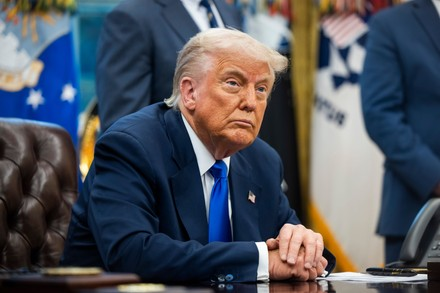
President Donald Trump
Tensions in the Middle East have surged after President Donald Trump dismissed Iran’s latest diplomatic proposal to end the months-long conflict, labeling the terms "totally unacceptable." The rejection comes amid a fragile ceasefire and intensifying rhetoric regarding Iran's nuclear infrastructure and regional maritime control.
The Diplomatic Standoff
According to Iran’s semi-official Tasnim news agency, Tehran’s proposal delivered via Pakistani mediators called for an immediate cessation of hostilities on all fronts, the lifting of the U.S. naval blockade on Iranian ports, and formal guarantees against future strikes. Iran also demanded compensation for war damages and reaffirmed its sovereignty over the strategic Strait of Hormuz.
In response, President Trump took to Truth Social to voice his disapproval. "I have just read the response from Iran’s so-called ‘Representatives.’ I don’t like it," Trump posted, warning that if a deal is not reached, bombing campaigns will resume "at a much higher level and intensity than before."
Conflicting Terms for Peace
While a ceasefire has largely held since the initial U.S. and Israeli campaign began in February, both sides remains far apart on key conditions:
Nuclear Redlines: Israeli Prime Minister Benjamin Netanyahu told CBS’s 60 Minutes that the war cannot end until Iran's nuclear enrichment sites are dismantled. "Iran's stockpile of enriched uranium must be 'taken out,'" Netanyahu stated.
The U.S. Memorandum: A reported 14-point U.S. memo includes demands for the suspension of nuclear enrichment and the restoration of free transit through the Strait of Hormuz in exchange for the lifting of sanctions.
Iranian Resolve: Iranian President Masoud Pezeshkian maintained a defiant stance, stating that dialogue "does not mean surrender or retreat."
Maritime Tensions and Global Impact
The conflict has hit global energy markets hard, as Iran continues to block the Strait of Hormuz a transit point for 20% of the world’s oil and LNG.
| Entity | Action/Position |
| United States | Enforcing a blockade of Iranian ports to pressure Tehran. |
| Iran | Warning of "severe consequences" for vessels not cooperating with Tehran. |
| UK & France | Planning an international mission to safeguard shipping post-hostilities. |
| Gulf States | Reported drone interceptions in Kuwait and the UAE; a bulk carrier was recently struck near Qatar. |
Looking Ahead
Defense ministers from over 40 nations are scheduled to meet Monday to discuss UK led plans for policing maritime traffic. Meanwhile, in a notable shift in policy, Prime Minister Netanyahu expressed a desire to "wean" Israel off its $3.8 billion annual military aid from the U.S. over the next decade, suggesting a move toward greater military self-reliance.
As the ceasefire hangs by a thread, the international community remains on high alert, with the potential for a significant escalation of the air war if diplomatic channels remain stalled.