


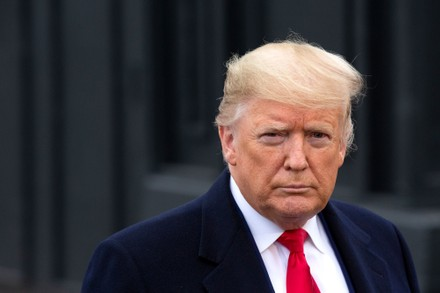
President Donald Trump
Diplomatic efforts to resolve the conflict between the United States, Israel, and Iran hit a significant visual roadblock this week as President Donald Trump formally rejected Tehran’s latest peace proposal. The President characterized the terms as "totally unacceptable," signalling a potential return to large-scale hostilities if a breakthrough is not reached.
The conflict, which began with joint U.S. and Israeli airstrikes on February 28, is currently under a fragile ceasefire. However, the rhetoric from all sides suggests the window for a permanent diplomatic solution is narrowing.
The Diplomatic Standoff
Iran’s proposal, delivered via Pakistani mediators, outlined several key demands that the Trump administration has deemed non-starters:
-
Immediate Cessation of Hostilities: An end to all military actions on all fronts.
-
Sanctions & Blockades: An end to the U.S. naval blockade of Iranian ports and the lifting of economic sanctions.
-
Sovereignty: Formal recognition of Iranian control over the Strait of Hormuz and demands for war reparations.
President Trump responded via Truth Social, stating, "I have just read the response from Iran's so-called 'Representatives.' I don't like it—TOTALLY UNACCEPTABLE." He previously warned that if a deal is not reached, bombing would resume at a "much higher level and intensity."
Nuclear Enrichment Remains the Flashpoint
While the U.S. memorandum reportedly includes provisions for lifting sanctions and restoring free transit through the Strait of Hormuz, the sticking point remains Iran's nuclear infrastructure.
Israeli Prime Minister Benjamin Netanyahu, speaking on CBS’s 60 Minutes, insisted that the war cannot end until Iran’s nuclear capabilities are neutralized. "There's still enrichment sites that have to be dismantled," Netanyahu said, emphasizing that stockpiles of enriched uranium must be "taken out."
In a notable shift in bilateral relations, Netanyahu also proposed a decade-long phase-out of the $3.8 billion in annual military aid Israel receives from the U.S., stating it is time for Israel to "wean" itself from the support.
Maritime Crisis in the Strait of Hormuz
The conflict continues to disrupt global energy markets, as Iran maintains a blockade on the Strait of Hormuz—the transit point for roughly 20% of the world's oil and liquefied natural gas.
-
Iranian Warnings: Military spokesman Mohammad Akraminia warned that any vessels failing to cooperate with Tehran would face "severe consequences," dismissing the U.S. fleet's ability to maintain a counter-blockade.
-
Regional Instability: Reports indicate increasing drone activity and maritime strikes. The UK’s Maritime Trade Operations Centre (UKMTO) reported a projectile strike on a carrier near Doha, while Kuwait and the UAE reported intercepting drones entering their airspace.
-
International Response: The UK and France are leading a coalition of over 40 nations to discuss a maritime security mission. However, Tehran has already threatened a "decisive and immediate response" to any European naval deployments in the strait.
Current Status
Despite the ceasefire, the situation remains volatile. Iranian President Masoud Pezeshkian maintained a defiant stance on Sunday, asserting that while Iran is open to dialogue, "it does not mean surrender or retreat."
As defense ministers prepare to meet this Monday to discuss the protection of international shipping lanes, the global community remains on edge, watching whether the current pause in fighting will lead to a lasting treaty or a renewed escalation of the regional war.