


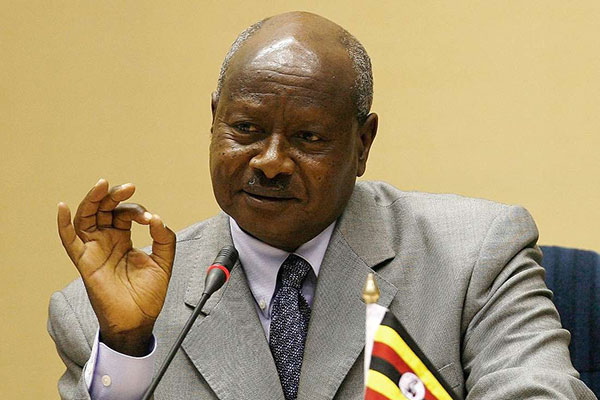
President of Uganda Yoweri Museveni
Yoweri Museveni was officially sworn in for his seventh consecutive term as President of Uganda on May 12, 2026. The inauguration ceremony, held at the Kololo Independence Grounds in the capital city, marks the beginning of another five-year mandate for one of Africa’s longest-serving heads of state.
Election Results and Victory
The 81-year-old incumbent secured his position following a decisive victory in the January 2026 general elections. According to official results released by the Electoral Commission:
-
Yoweri Museveni: 71.65% of the vote.
-
Bobi Wine: 24.72% of the vote.
The runner-up, 43-year-old opposition leader Bobi Wine, remains the President's primary political challenger in a landscape Museveni has dominated since 1986.
Historical Context and Background
President Museveni’s tenure is rooted in decades of Ugandan political history. Born in 1944 in the Mbarara District, his early life and education were shaped during the final years of the British Protectorate.
Academic and Revolutionary Foundation
Museveni’s political trajectory began during his formative years in the Ugandan education system and continued through his university studies:
| Period | Institution | Significance |
| 1953 | Kyamate Boys School | Commencement of formal education. |
| 1959 | Mbarara High School | Early secondary education. |
| 1961 | Ntare School | Admitted following his family's relocation from Ntungamo. |
| Late 1960s | University of Dar es Salaam | Studied Political Science; founded the University Students’ African Revolutionary Front. |
Continuing a Four-Decade Legacy
Since ascending to power in 1986, Museveni has overseen significant periods of economic transition and regional involvement. With this latest inauguration, the President moves into his fourth decade of leadership, emphasizing a platform of stability and continued revolutionary ideals.
Critics and supporters alike note that this term will be pivotal as the administration navigates the nation's evolving demographic shifts and the demands of a younger electorate.