


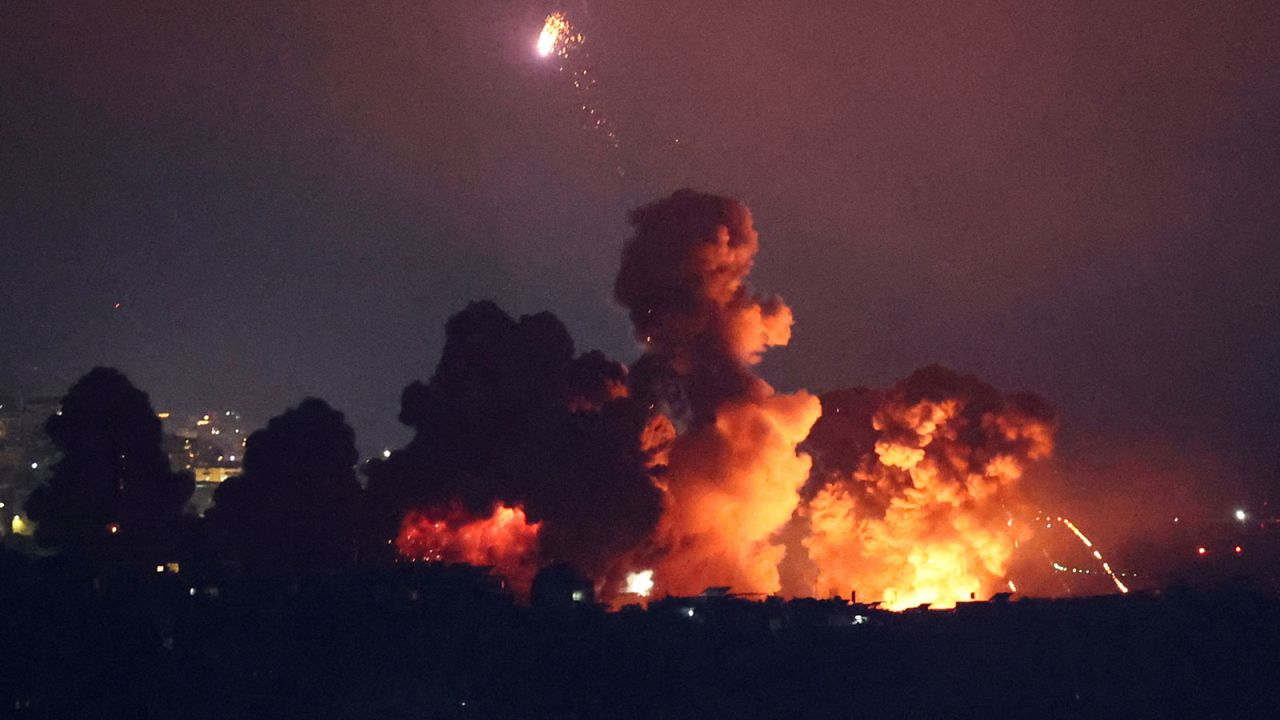
United States official has announced that Israel and Hezbollah have agreed to a ceasefire following a period of intense Israeli air strikes in southern Lebanon that resulted in 47 fatalities. The agreement comes amid heightened concerns that ongoing hostilities—including a recent encounter where Hezbollah killed four Israeli soldiers—could jeopardize a broader diplomatic agreement intended to conclude hostilities between the US and Iran.
Implementation Obstacles and Ongoing Hostilities
While the Israeli military confirmed the ceasefire was active, an official spokesperson noted that forces would remain active in neutralizing immediate threats. Meanwhile, rescue workers in Nabatieh reported a succession of air strikes shortly after the designated start time of the truce. The recent surge in violence underscores the challenges facing the US administration in maintaining control over the diplomatic agreement, which encompasses a cessation of hostilities in Lebanon alongside a wider agreement between the US and Iran.
The situation on the ground has prompted Iranian officials to accuse the US leadership of failing to moderate Israel's military actions. US leadership has also expressed rare public criticism toward the Israeli administration regarding civilian casualties incurred during operations against Hezbollah.
Domestic Pressures and Divergent Objectives
Maintaining the agreement remains a complex task due to internal pressures facing leaders on all sides.
-
Israel: The government faces significant domestic calls to sustain military operations. Far-right officials have responded to Israeli military casualties with calls for severe retaliation, while military representatives reiterate their commitment to addressing any violations of the truce to protect civilians.
-
Hezbollah: The group's leadership maintains that efforts to dismantle their organization have been unsuccessful and expects a full withdrawal of Israeli forces from Lebanese territory. Hezbollah previously stated it would continue defensive operations as long as the ground incursions persisted.
-
Lebanese Civilians: Many displaced residents express deep skepticism regarding the longevity of the truce, citing past failures to sustain peace agreements in the region.
Diplomatic Efforts and Humanitarian Impact
The US State Department has scheduled direct talks between representatives of the Israeli and Lebanese governments in Washington next week to pursue a more permanent resolution. Lebanese leadership has emphasized that a comprehensive halt to Israeli military operations is a necessary prerequisite for progress during these discussions.
The conflict has taken a severe humanitarian toll since Lebanon became involved following regional escalations. According to the Lebanese health ministry, the conflict has resulted in over 3,900 deaths and more than 11,600 injuries. Additionally, the violence has displaced approximately one million individuals and caused extensive destruction to dozens of communities across southern Lebanon.