


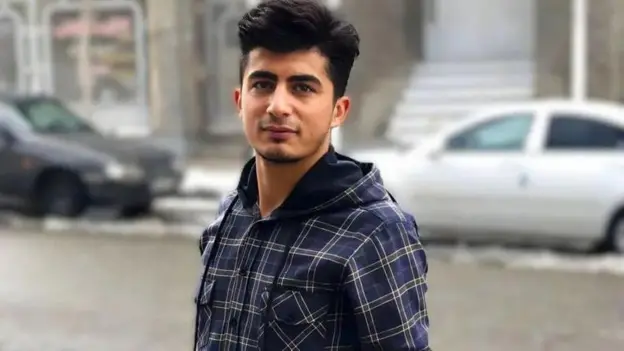
Human rights organizations and the United Nations have reported a sharp increase in the number of executions carried out by the Iranian judiciary following recent domestic unrest and heightened geopolitical tensions. According to human rights monitors, the death penalty is increasingly being utilized against political dissidents, protesters, and members of ethnic minority groups.
Escalation in Capital Punishment
Data compiled by international observers indicates a significant year-on-year escalation in state executions. Amnesty International documented 45 executions on politically motivated charges throughout the entirety of 2025. However, following the military escalations involving the United States, Israel, and Iran on February 28, the United Nations verified at least 32 executions of political prisoners within a span of less than three months.
The UN Human Rights Office expressed concern that the current trajectory could surpass previous figures. In 2025, Iran executed a total of 2,159 individuals—primarily for drug-related offenses and homicide—marking the highest annual total recorded by Amnesty International since 1989.
Monitors suggest the acceleration of capital punishment is a strategic response by Tehran to re-establish domestic authority following widespread anti-government protests in January and ongoing external security crises.
Allegations of Due Process Violations
Human rights advocacy groups, including the Kurdistan Human Rights Network and the Norway-based Hengaw organization, have raised systemic concerns regarding judicial transparency and the treatment of detainees. Multiple reports highlight a pattern of rapid trials, restricted access to legal counsel, and a lack of advance notification to families prior to executions.
Central to the criticism are widespread allegations of coerced confessions. Prior to his execution earlier this month at Oromiyeh Central Prison, 29-year-old Mehrab Abdollahzadeh—arrested during the 2022 demonstrations following the death of Mahsa Amini—maintained his innocence in an audio recording, stating his confession was extracted under torture and threats.
Similarly, Erfan Shakourzadeh, a 29-year-old aerospace engineering master’s student executed on May 11 on espionage charges, detailed months of solitary confinement and coercion in a note published by Hengaw prior to his death.
Application of the Death Penalty
International legal standards restrict the application of capital punishment to the "most serious crimes," typically interpreted as intentional homicide. However, Iranian courts continue to apply the death penalty to non-lethal political and security offenses.
Late last month, Iranian state television broadcast the execution of Sasan Azadvar, a 21-year-old athlete convicted of moharabeh ("waging war against God") and collaboration with foreign adversaries. The conviction stemmed from property damage and attacking police vehicles during the January protests, actions that do not meet the international threshold of lethal offenses.
Official Response and International Reaction
The United Nations and Amnesty International have accused the Iranian government of weaponizing the judicial system to suppress domestic dissent and instill fear among the population. Activists also note that capital sentences continue to fall disproportionately on Iran's ethnic and religious minority populations.
The Iranian government did not respond to formal requests for comment regarding the rise in executions or the specific allegations of torture and procedural irregularities. However, on April 30, the head of Iran’s judiciary, Gholamhossein Mohseni Ejei, publicly dismissed international criticism of the sentences related to the January unrest, asserting that the judiciary would remain firm in its rulings.