


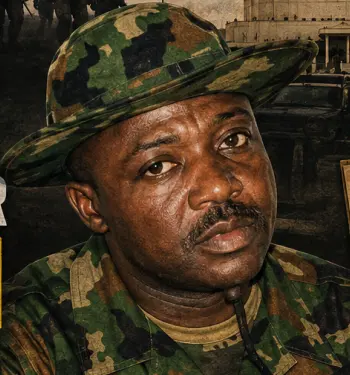
A Nigerian Army Colonel, Mohammed Ma’aji, has issued an apology regarding his involvement in an alleged plot to overthrow the administration of President Bola Tinubu, attributing his actions to deep-seated frustration over national economic challenges, security concerns, and military welfare issues.
In a public statement, Ma’aji clarified that the initiative stemmed from widespread anxieties among military personnel regarding governance, declining living standards, and inadequate support systems for troops and their families. He stated that the movement was purely conceptual and limited to early-stage mobilization and discussions prior to intervention by security authorities, confirming that no specific implementation date had been established and that no foreign entities were involved.
Furthermore, Ma’aji acknowledged that personal frustrations stemming from career progression setbacks contributed to his participation. He noted, however, that subsequent detention and reflection had altered his perspective, leading him to recognize the necessity of pursuing lawful and constructive avenues for expressing grievances within the military framework.
To address the underlying issues raised during the investigation, Ma’aji recommended several institutional and national reforms:
-
Military Welfare and Operations: Enhancement of remuneration, healthcare, housing, pensions, and family support systems, alongside improvements to the casualty management framework for wounded soldiers to safeguard operational morale.
-
Career Progression: Implementation of transparent standards for military postings and promotions to eliminate perceived inequities and favoritism.
-
Grievance Communication: Establishment of secure, formal channels allowing military personnel to communicate concerns directly to leadership without fear of professional repercussions.
-
Socio-Economic Reforms: Increased government investment in public infrastructure, mass transit, and anti-corruption measures to alleviate the financial hardship experienced by citizens following recent economic policy adjustments.
Concluding his statement, Ma’aji appealed to the federal authorities for clemency, highlighting the past operational contributions of the personnel involved and requesting an opportunity to formally express remorse and pledge adherence to lawful procedures moving forward.