


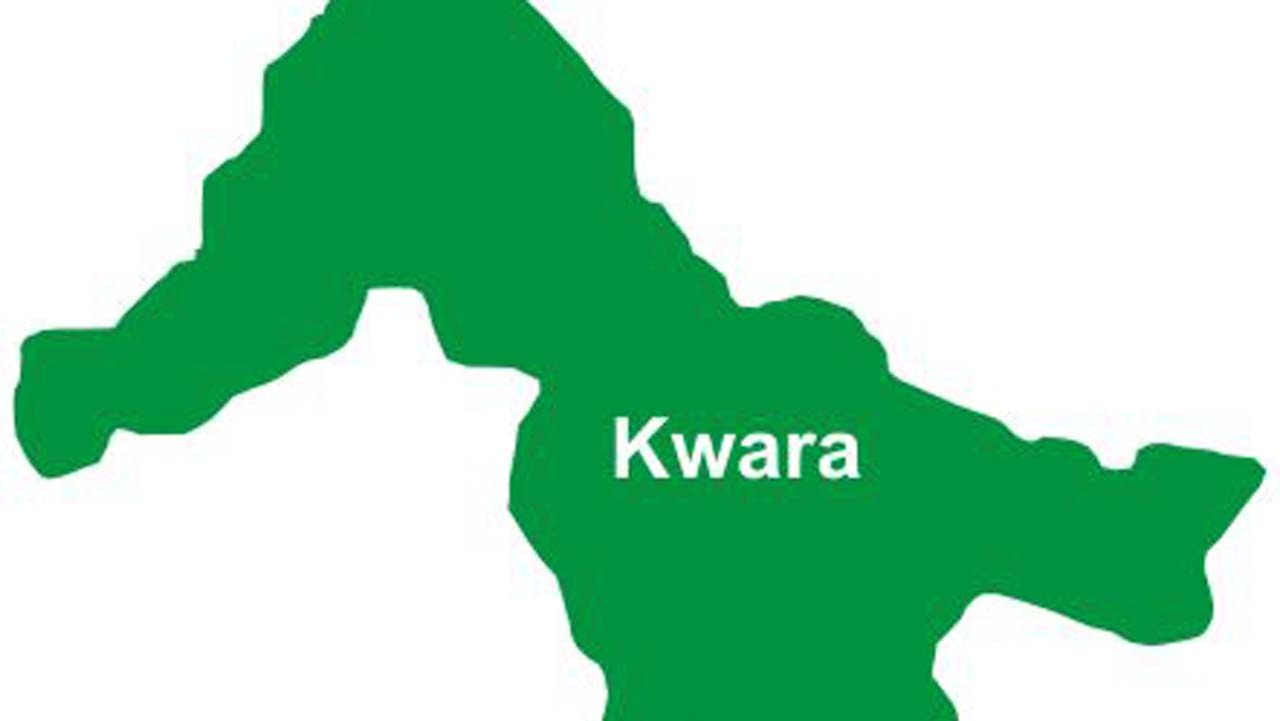
Discrepancies have emerged surrounding the release of hostages from the Woro community in Kaiama Local Government Area, Kwara State, following a six-month captivity. While the Federal Government maintains that more than 300 individuals were freed through an intelligence-led military and security operation, accounts from relatives of the victims suggest alternative circumstances regarding the release.
Conflicting Accounts of the Release
Federal authorities announced the successful rescue of 163 victims from Woro—part of a larger group of over 300 liberated hostages—following a joint operation involving the military, police, and counter-terrorism personnel near the Kainji Lake National Park. President Bola Tinubu commended the security forces for executing what was described as the nation's largest single-day hostage rescue operation.
However, relatives of the freed captives have reported a different narrative shared by the survivors. According to family members who spoke with the victims, abductees witnessed a helicopter deliver funds to the captors a few days prior to their release. These accounts have introduced questions regarding the negotiations and methods that led to the freedom of the captives.
Impact on Captives and Current Status
During their six months in captivity following the February attack, the victims—predominantly women and children—endured severe hardships, including extreme weather, minimal food rations, and a lack of medical care. Survivors reported that 13 individuals perished during this period.
Following their recovery, the surviving victims were transported for medical evaluations and subsequent reunification with their families. While the government continues to attribute the outcome to a successful security operation, the newly reported details highlight ongoing complexities regarding mass abductions and recovery operations in the region.