


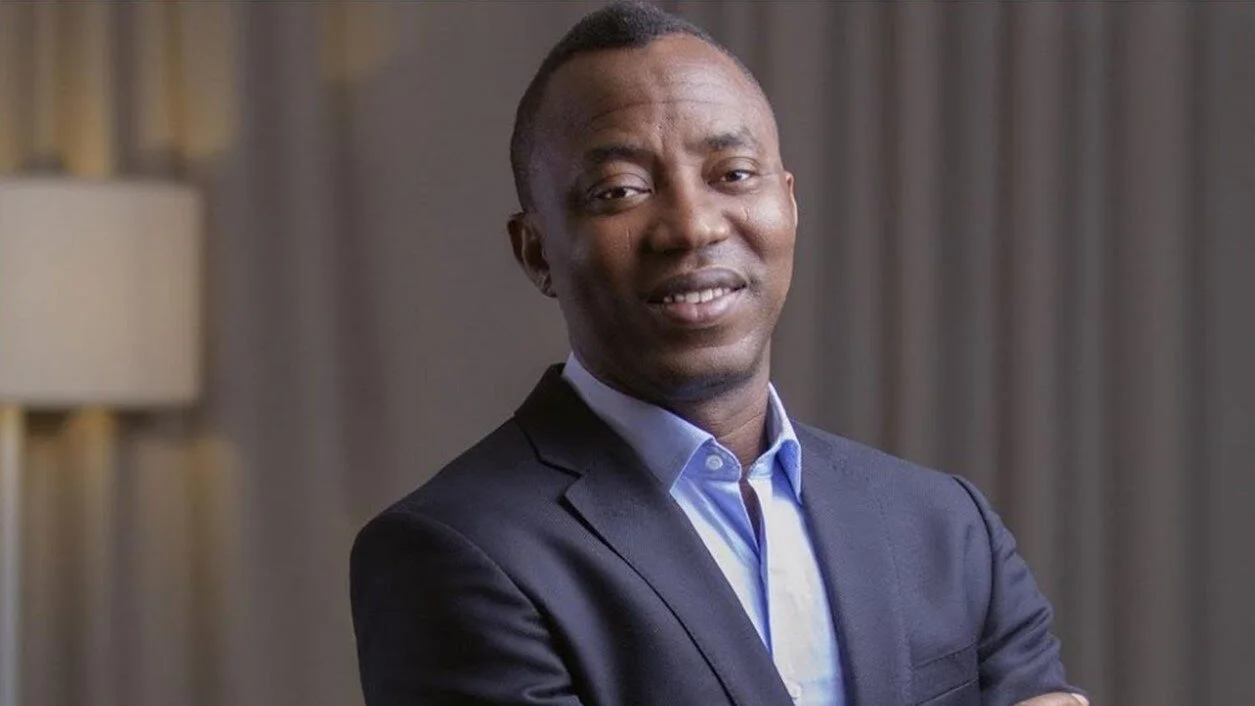
ABUJA: The Federal High Court in Abuja has granted fresh bail to activist and former presidential candidate Omoyele Sowore in the sum of 200 million Naira. This decision follows the court's recent revocation of his previous bail due to his failure to appear for trial.
In the ruling delivered on Tuesday, Justice Muhammad Umar outlined specific conditions for the defendant's release. Sowore is required to provide two sureties: one must be a recognized traditional ruler from his home community, and the other must own landed property within the Federal Capital Territory. Additionally, the judge ordered the defendant to surrender his international passport to the court registrar for the duration of the trial.
Following the ruling, Justice Umar released Sowore into the custody of his legal team and adjourned the case until Monday, July 6, when the defense is scheduled to open its case.
Background of the Case
Sowore is facing prosecution by the Department of State Services on charges related to cybercrime. The allegations stem from social media posts where he allegedly made derogatory remarks about President Bola Tinubu. Sowore has consistently maintained his innocence and pleaded not guilty to all charges.
The legal proceedings faced a delay on June 16 when the court revoked Sowore’s prior bail and issued a bench warrant for his arrest following his absence from a scheduled court date. While Sowore's defense team argued that his absence was due to a prior commitment in Lagos and requested an adjournment, the prosecution, led by Akinlolu Kehinde (SAN), successfully opposed the request and urged the court to proceed.
Sowore subsequently challenged the bench warrant and requested that the trial judge recuse himself from the case. After that application was dismissed, he was remanded at the Kuje Correctional Centre until the hearing of his new bail application.
Defendant's Reaction
Speaking after the proceedings, Sowore characterized the stringent bail conditions as a continued attempt by authorities to disrupt his activities. However, he maintained that the legal hurdles would not impact his advocacy or the momentum of his political movement, emphasizing that his primary focus remains on the broader liberation of the Nigerian public rather than his personal freedom.