


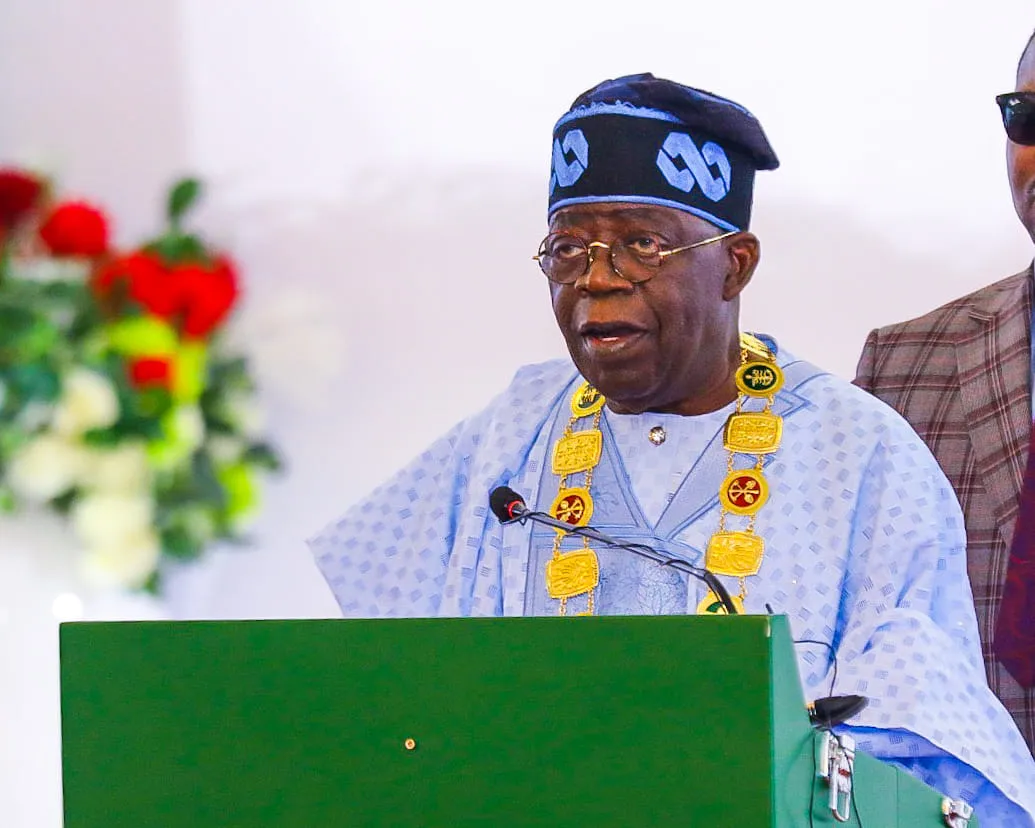
ABUJA: The Northern States Christian Elders Forum (NOSCEF) has called on President Bola Ahmed Tinubu to rescind the recent fuel price increase, cautioning that the public's current forbearance should not be viewed as compliance with ongoing economic distress.
In a public address, NOSCEF Chairman Elder Sunday Oibe emphasized that the latest rise in petrol costs places an unsustainable burden on households already grappling with soaring food prices, high transportation expenses, and general inflation. The forum argued that continuing to transfer financial obligations onto citizens is counterproductive and urged the administration to identify sustainable, alternative revenue streams.
The elders stressed that civic welfare must supersede political strategies regarding future electoral cycles. While recognizing that the administration has implemented certain reforms, NOSCEF asserted that the reality on the ground demands urgent intervention, noting that widespread hunger, unemployment, insecurity, and deteriorating infrastructure have left many citizens in deep distress.
Furthermore, the forum advised President Tinubu to remain grounded in the authentic experiences of everyday Nigerians rather than relying on feedback from political associates or officials who may downplay the severity of the economic crisis. Because church and community members interact directly with struggling families, the elders stated they are uniquely positioned to speak on the daily hardships faced by the public.
NOSCEF concluded by calling for immediate, empathetic action from the federal government to stabilize living conditions, generate employment for youth, enhance security measures, and prioritize the overall well-being of the population in all future economic policy decisions.