


A political dispute has emerged in Nigeria following criticisms leveled by Catholic bishops against the administration of President Bola Tinubu. The friction began after the Catholic Bishops’ Conference of Nigeria (CBCN), led by prominent figures such as Archbishop Emeritus John Cardinal Onaiyekan, met with President Tinubu to address escalating economic hardship, inflation, and insecurity.
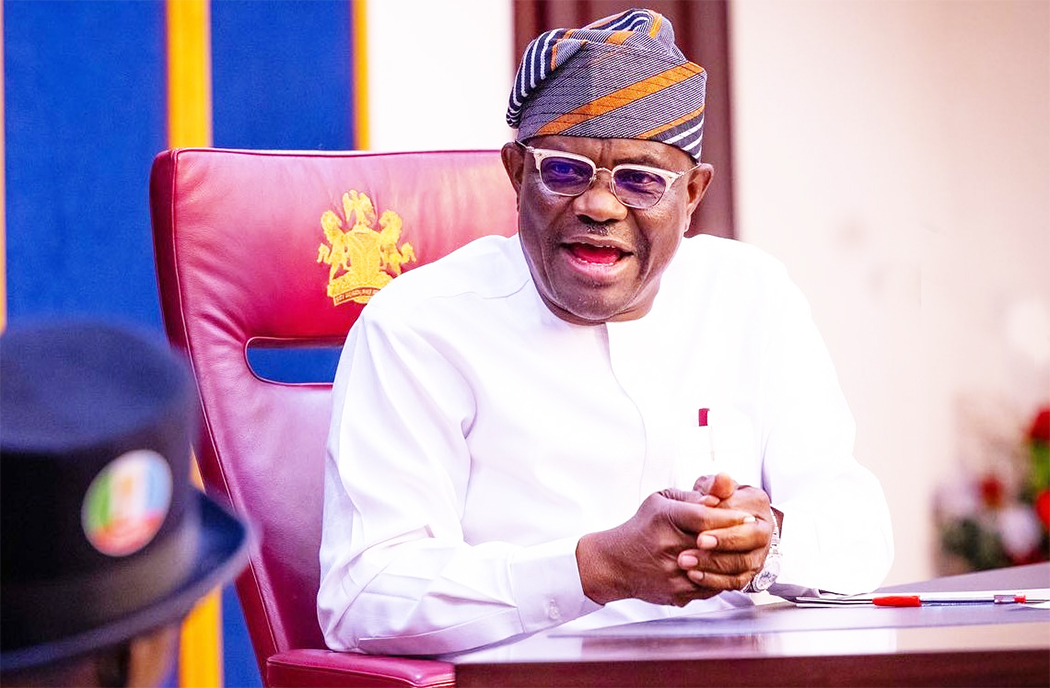
Cardinal Onaiyekan subsequently spoke to the media regarding the administration's policies, prompting sharp pushback from the Presidency. Presidential spokespersons and Federal Capital Territory Minister Nyesom Wike argued that the clerics' criticisms lacked objectivity and reflected political partisanship. Minister Wike asserted that religious leaders failed to acknowledge government achievements and maintained a consistently negative stance against the ruling administration.
Reactions and Support for the Clergy
The Presidency's remarks drew swift condemnations from various political and socio-cultural groups:
-
Northern Youth Council of Nigeria (NYCN): Defended Cardinal Onaiyekan, stating that his remarks accurately mirrored the daily financial struggles and economic realities faced by ordinary citizens.
-
Middle Belt Forum (MBF): Expressed total solidarity with the CBCN and Cardinal Onaiyekan. The group highlighted deteriorating security conditions, ongoing violence in the region, and declining purchasing power, noting that minimum wage adjustments have been outpaced by inflation and currency devaluation.
-
Catholic Laity Council of Nigeria (CLCN): Emphasized that the Church holds a moral obligation to defend vulnerable populations and speak out against national hardships, framing the Cardinal's comments as an appeal to the national conscience rather than a partisan attack.
-
Rotimi Amaechi: The former Minister of Transportation criticized the government's response, asserting that public meetings involving the press are subject to public commentary and that attacking religious leaders undermines the faith of millions of citizens.
Broader Implications
The ongoing exchange underscores deeper debates regarding the boundaries of religious advocacy, governmental accountability, and the socio-economic challenges currently confronting the country. While administration officials maintain that critics must balance their evaluations by acknowledging official policy efforts, civil groups and religious organizations insist that highlighting poverty, inflation, and security concerns remains a fundamental patriotic duty.