


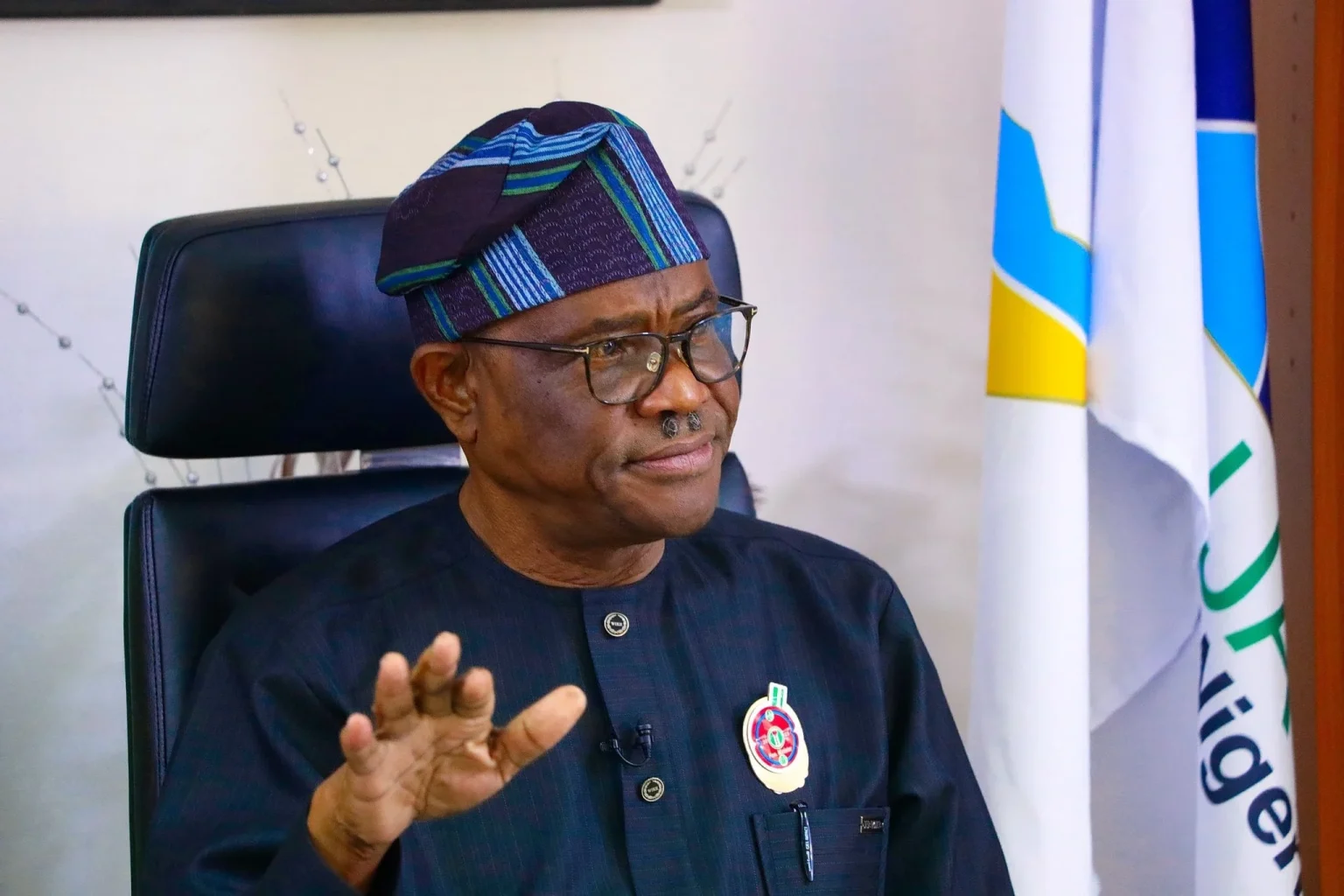
Internal divisions within the ruling All Progressives Congress (APC) have intensified following a wave of defections and strategic realignments. Numerous prominent party figures, lawmakers, and former leaders who grew dissatisfied with internal party primaries have aligned themselves with a cross-party alliance led by Federal Capital Territory Minister Nyesom Wike.
The Core of the Controversey
The formation of the coalition has sparked sharp disagreements among party stakeholders. While leaders of the Progressive Governors Forum have publicly condemned the movement as a direct challenge to the party structure and a threat to President Bola Tinubu's re-election campaign, other high-ranking members view the coalition differently. Supporters of the movement argue that it serves as an alternative vehicle to secure bloc votes for the incumbent president, accommodating individuals who felt alienated by state-level party management.
Discontented politicians from over ten states—including Kwara, Osun, Katsina, Ondo, Ogun, and Gombe—have shifted their allegiances. Defectors contend that state governors exercised excessive control over candidate nominations, leading many loyalists to seek alternative platforms that still pledge support for the presidential ticket.
Conflicting Perspectives on Strategy and Ambition
The opposition from governors, particularly within the Progressive Governors Forum, stems from concerns over maintaining unified party structures and preventing opposition strongholds at the state level. Critics of the FCT minister's alliance argue that backing candidates opposing the ruling party in legislative races could create a fractured National Assembly, potentially undermining governance if the executive branch lacks a stable legislative majority.
Conversely, representatives for the coalition reject claims that the movement is designed to position its leader for a future presidential run, noting that power rotation guidelines dictate that the presidency remains in the current region for a full two-term cycle. Proponents maintain that the primary objective remains securing victory in the upcoming presidential election through collaborative multi-party backing.
As political consultations continue nationwide, both sides remain locked in a strategic tug-of-war over party loyalty, state-level control, and the roadmap for the 2027 polls.