


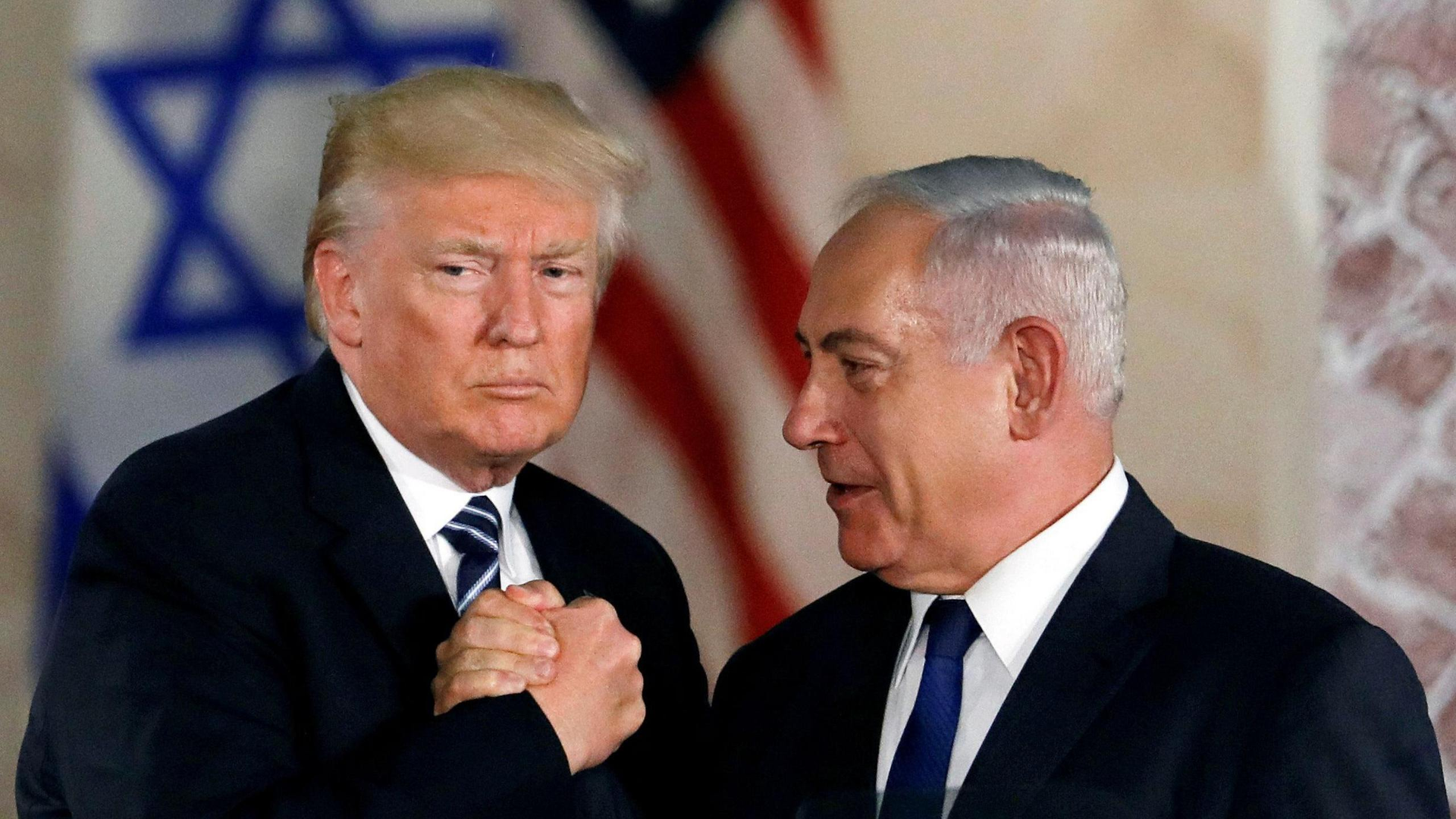
President Donald Trump’s efforts to salvage diplomacy with Tehran have hit a major roadblock following a reported clash with Israeli Prime Minister Benjamin Netanyahu over ongoing military actions in Lebanon. The friction underscores a historic pattern of American presidents grappling with the Israeli leader's independent strategic maneuvers.
The diplomatic fallout was triggered by Israel's recent strikes on Lebanon. In response, Tehran threatened to freeze ongoing negotiations with the United States, directly complicating Trump’s stated goal of extricating the U.S. from a highly unpopular conflict with Iran.
A Candid Admission of Friction
The tension spilled into the public eye after reports emerged that Trump had used sharp language during a Monday phone call, accusing Netanyahu of ingratitude and questioning his decision-making. Speaking on the Pod Force One podcast, Trump confirmed the tense exchange, characterizing his reaction as being perturbed by the continuous fighting in Lebanon. While Trump maintained that he still regards Netanyahu highly and works well with him, the incident highlights diverging tactical priorities.
Netanyahu has publicly dismissed any serious rift, framing the exchange during a subsequent CNBC interview as a routine tactical disagreement between close allies that would be quickly resolved.
Diverging Paths After 100 Days of Conflict
The dispute surfaces nearly 100 days after the U.S. and Israel launched joint strikes against Iranian targets on February 28. While both leaders remain aligned on the core objective of preventing Iran from acquiring a nuclear weapon, their strategies in Lebanon have introduced significant friction.
The U.S. Agenda: Washington is currently focused on securing a deal to extend a U.S.-Iran ceasefire, revive talks surrounding Tehran's nuclear program, and ensure the reopening of the critical Strait of Hormuz shipping lane.
The Israeli Agenda: Israel remains committed to aggressively targeting the Iran-backed Hezbollah militia in Lebanon. Because Iran demands that any ceasefire agreement encompass Lebanon, Israel's independent operations threaten to derail Washington's broader regional framework.
Foreign policy analysts note that the friction reflects a classic challenge for Washington when aligning with a highly independent ally. Experts suggest Trump is confronting the complexities of managing a conflict alongside a leader focused strictly on domestic and localized security objectives.
Shifting Political Tides in Washington
The friction also coincides with a notable shift in American public sentiment and growing domestic political pressures within the United States.
Beyond public polling, a segment of conservative figures has expressed unease over the trajectory of U.S. involvement in the region. In March, Joe Kent resigned as head of the National Counterterrorism Center, publicly attributing the outbreak of the war to pressure from Israel and its domestic lobbying apparatus—an assertion strongly denied by both the White House and the American Israel Public Affairs Committee (AIPAC).
In this shifting political environment, establishing some visible distance from Netanyahu may offer Trump a necessary mechanism to manage domestic critiques from both the public and within his own political base.
A Long History of White House Friction
Netanyahu’s tenure has spanned relationships with multiple U.S. administrations, nearly all of which experienced periods of intense strain.
-
Bill Clinton: Faced significant resistance from Netanyahu regarding the implementation of the Oslo peace accords.
-
Barack Obama: Experienced a deeply fractured relationship, exacerbated by Netanyahu's 2015 address to a joint session of Congress opposing the Iran nuclear deal, arranged without White House consent.
-
Joe Biden: Clashed openly with the prime minister over allegations that Washington was withholding munitions, a move U.S. officials labeled highly problematic.
While Trump and Netanyahu previously enjoyed a highly productive partnership—marked by a shared willingness to disrupt traditional Middle Eastern diplomatic norms and directly confront Iran—this is not their first public disagreement. Trump previously voiced sharp frustration when Israeli strikes jeopardized a fragile ceasefire during a prior 12-day conflict with Tehran.
Whether this latest dispute marks a temporary tactical disagreement or a fundamental shift in the U.S.-Israel alliance remains to be seen, as observers watch how the administration balances its domestic political needs with its strategic commitments in the Middle East.