


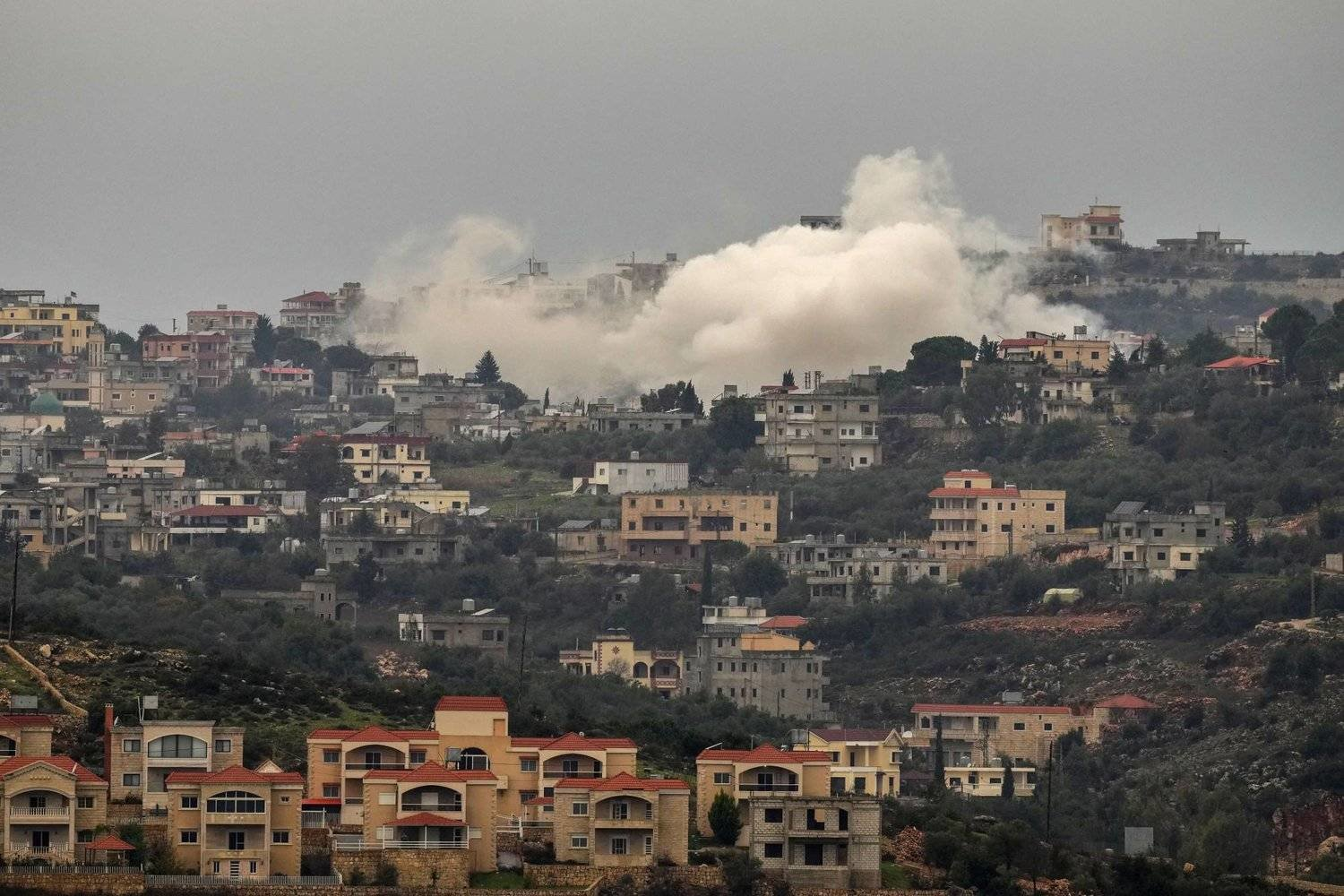
Israeli Prime Minister Benjamin Netanyahu has ordered military strikes on Dahieh, a southern suburb of Beirut and a prominent Hezbollah stronghold, marking a significant escalation in the ongoing conflict. The decision follows alleged violations of an April ceasefire, with Israel citing repeated rocket and drone attacks targeted at its civilian populations.
Following the announcement, a mass evacuation began as thousands of residents attempted to flee the targeted suburbs, causing severe traffic congestion on routes leading out of the capital and toward the mountainous regions.
Diplomatic Strains and the U.S. De-escalation Plan
The surge in hostilities presents a major complication for United States diplomatic efforts aimed at brokering a broader peace agreement involving Iran. Tehran maintains that any valid ceasefire must comprehensively include Lebanon.
In a diplomatic bid to decouple the conflicts, U.S. Secretary of State Marco Rubio recently proposed a "gradual de-escalation" framework during communications with Prime Minister Netanyahu and Lebanese President Joseph Aoun.
The U.S. Position: Proposes that Lebanese authorities pressure Hezbollah to cease cross-border fire in exchange for Israel refraining from targeting Beirut.
The Lebanese Response: Lebanese Parliament Speaker Nabih Berri placed the immediate onus on Israel to cease hostilities first, though senior Lebanese officials confirmed they continue to rely on U.S. mediation ahead of scheduled talks in Washington this week.
Intensified Military Operations
In a joint statement, Netanyahu and Israeli Defense Minister Israel Katz underscored that military operations in Beirut would persist as long as northern Israeli communities faced security threats. "If there is no calm in the north, there will be no calm in Beirut," Katz warned.
On the ground, military actions have intensified across several fronts:
| Region | Reported Operational Developments |
| Beirut (Dahieh) | Israeli military issued urgent evacuation orders ahead of anticipated airstrikes. |
| Southern Lebanon | Israeli forces captured the historic Beaufort Castle after crossing the Litani River, establishing a strategic high-ground vantage point. |
| Zebdine & Kfar Sir | Local authorities reported multiple casualties following overnight air raids. |
| Tyre | A strike near Jabal Amel hospital resulted in civilian casualties and structural damage. |
Despite significant territorial advancements by the Israel Defense Forces (IDF) in southern Lebanon, Hezbollah has maintained its operational capabilities. The group launched targeted missile salvos at military infrastructure in Tiberias and engaged Israeli forces in Yahmar al-Shaqif. The IDF confirmed the interception of several projectiles and reported the death of one soldier in a combat drone strike.
Humanitarian Impact and Domestic Sentiment
According to figures released by the Lebanese Health Ministry—which does not differentiate between combatants and civilians—the conflict has claimed at least 3,433 lives in Lebanon. Israel has reported the deaths of 24 soldiers and four civilians within the same period.
"We are trying our best, just to stop the killing of people," a senior Lebanese government official stated, highlighting the challenges of managing the worsening humanitarian crisis.
While Hezbollah maintains core support within its primary strongholds, broader public sentiment in Lebanon reflects severe war fatigue. Domestically, criticism has risen regarding the group's alignment with Iranian strategic interests, which critics argue precipitated the current crisis. Concurrently, Lebanese Prime Minister Nawaf Salam condemned Israel's expanding military campaign, accusing the nation of executing a devastating "scorched-earth" policy as prospects for an immediate diplomatic breakthrough remain low.