


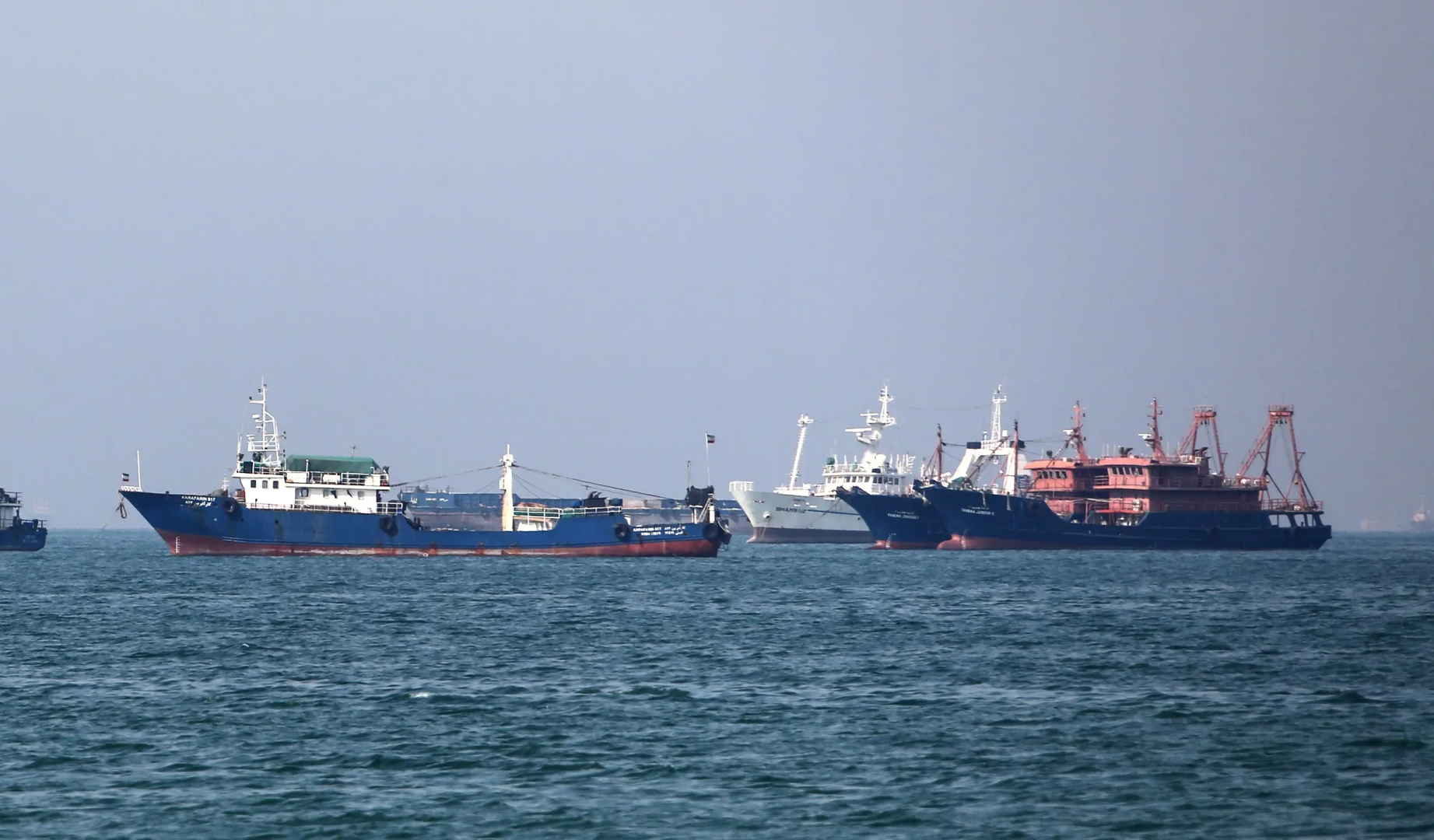
Tensions in the Middle East escalated sharply over the weekend as the United States and Iran engaged in their third military exchange in a week near the strategic Strait of Hormuz. The strikes come amid a deadlock in negotiations to formalize a permanent peace agreement to end their months-long conflict.
Military Escalation in the Gulf
U.S. Central Command (CENTCOM) confirmed it executed "self-defense strikes" against Iranian military targets on Saturday and Sunday. The operations targeted radar installations, air defenses, a ground control station, and two unmanned aerial vehicles (UAVs) in the coastal city of Goruk and on Qeshm Island in the Strait of Hormuz. According to U.S. officials, the targeted assets posed an immediate threat to international shipping lanes. The actions followed the downing of a U.S. drone over international waters by Iranian forces.
In response, Iran’s Islamic Revolutionary Guard Corps (IRGC) launched ballistic missiles and drones targeting a military installation in Kuwait utilized by U.S. forces. Iranian state media reported the counterstrike was retaliation for a U.S. attack on a communications facility on Sirik Island.
CENTCOM reported that two Iranian ballistic missiles were successfully intercepted and confirmed no U.S. personnel were harmed. However, the attack triggered air raid sirens across Kuwait. The Kuwaiti Foreign Ministry issued a severe condemnation, labeling the bombardment a "dangerous escalation and a direct assault" on its sovereignty, adding that the nation reserves the right to take necessary defensive measures.
Diplomatic Stagnation and Post-Ceasefire Demands
The renewed hostilities highlight the fragility of the ceasefire enacted on April 8. Diplomatic efforts stalled over the weekend after U.S. President Donald Trump reportedly requested revisions to the proposed peace framework. According to reports from CBS News, the modifications pertain to transit security within the Strait of Hormuz and the repatriation of highly enriched uranium from Iran.
On Monday, President Trump downplayed the friction, urging critics via Truth Social to "sit back and relax," maintaining that Iran "really wants to make a deal" that would ultimately benefit the United States.
Conversely, Tehran expressed frustration with the shifting diplomatic parameters. A spokesman for the Iranian Foreign Ministry accused Washington of prolonging negotiations by introducing "contradictory demands." Iran’s chief negotiator reiterated that Tehran would not sign any accord that fails to secure its sovereign rights.
Economic and Regional Implications
The ongoing instability continues to pressure global energy markets. The proposed 60-day cessation of hostilities aims to reopen the Strait of Hormuz—a vital maritime chokepoint responsible for the transit of approximately 20% of the world's petroleum and liquefied natural gas (LNG). The prolonged disruption of the shipping lane has driven global energy prices significantly higher.
The geopolitical scope of the negotiations also remains a point of contention:
The Nuclear Framework: While U.S. reports indicate the draft agreement includes provisions to reopen talks on Iran’s nuclear program, Iranian officials have publicly denied that nuclear files are currently on the table, stating the immediate priority remains halting active hostilities.
The Lebanon Front: Iranian Foreign Minister Abbas Araghchi emphasized that any comprehensive truce must extend to all fronts, specifically highlighting Lebanon.
The conflict broadened on March 2 when the Iran-backed group Hezbollah launched rocket attacks into Israel following an Israeli airstrike that killed Iran's Supreme Leader Ali Khamenei. That action prompted a subsequent Israeli air and ground campaign in Lebanon, deeply intertwining the regional theater with the broader U.S.-Iran diplomatic track.