


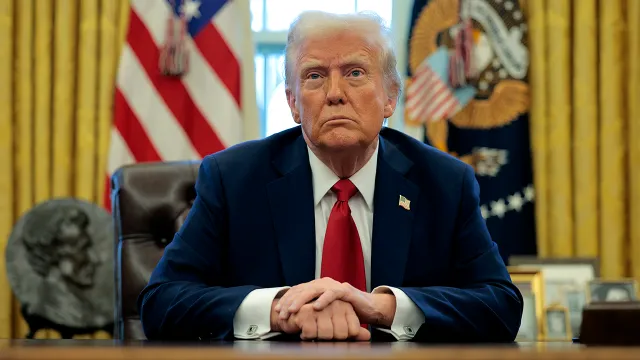
President Donald Trump has abruptly canceled a scheduled diplomatic mission to Pakistan by special envoys Steve Witkoff and Jared Kushner, stalling a high-profile attempt to negotiate an end to the ongoing conflict with Iran.
The White House had previously confirmed on Friday that the envoys would arrive in Islamabad on Saturday. However, the President reversed the decision early Saturday morning, expressing frustration over the logistical demands of the trip.
Presidential Pivot
The President characterized the journey as an inefficient use of resources, asserting a dominant negotiating position and suggesting that the burden of communication now lies with his counterparts. He indicated that the time spent traveling outweighed the potential benefits of the meeting, emphasizing that his administration holds the necessary leverage to wait for a direct approach from the other side.
The cancellation marks a significant shift in tone from the administration's earlier signals of engagement and suggests a return to a "maximum pressure" diplomatic strategy.
Iranian and Regional Response
The development follows a series of talks in Islamabad involving Iranian Foreign Minister Abbas Araghchi. Before departing the Pakistani capital, Araghchi stated he had presented a formal framework aimed at de-escalating the war.
Responding to the abrupt cancellation from Washington, Araghchi expressed skepticism regarding the United States' commitment to a peaceful resolution, noting that he has yet to see evidence that the U.S. is serious about pursuing a diplomatic path.
Diplomatic Outlook
The collapse of the weekend summit underscores the deep-seated divisions between Washington and Tehran. While Pakistan has attempted to position itself as a neutral mediator, several factors remain primary obstacles to a breakthrough:
-
Strategic Asymmetry: The Trump administration maintains that its economic and military leverage precludes the need for traditional shuttle diplomacy.
-
Framework Disputes: Despite the proposed peace framework, officials have remained tight-lipped on whether the terms are acceptable to the White House.
-
Geopolitical Friction: The cancellation reinforces the perception that both sides remain entrenched, with little immediate prospect for a negotiated ceasefire.
For now, the diplomatic channel appears to have shifted from face-to-face regional summits back to a posture of public brinkmanship and remote communication.