


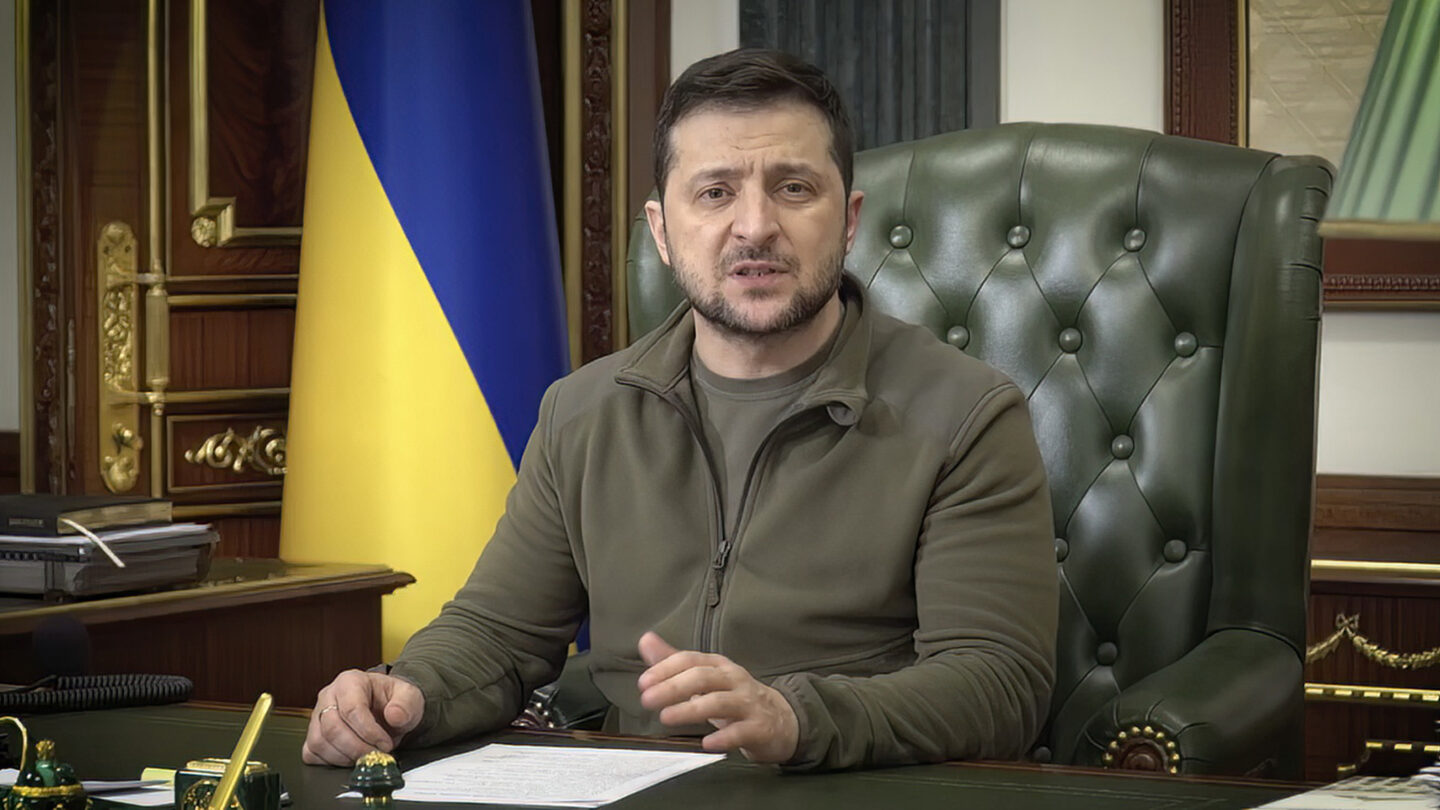
Ukrainian President Volodymyr Zelensky has issued a direct appeal to Russian President Vladimir Putin, calling for a face-to-face meeting and a comprehensive ceasefire to negotiate an end to the conflict. In an extensive open letter, Zelensky emphasized that Ukraine and Russia must engage directly rather than waiting for shifting international political focus, noting that current US foreign policy is heavily occupied with events in Iran.
The Kremlin confirmed receipt of the letter, noting that Putin would be briefed on its contents. While speaking at an economic forum in St. Petersburg, Putin expressed a general willingness to reach an agreement but maintained that negotiations would require compromises. He also questioned Zelensky's official legitimacy to negotiate and suggested that European nations should persuade Ukraine to concede territory.
Key Obstacles to Negotiations
The prospects for a breakthrough remain challenging due to fundamentally opposing positions on core issues:
-
Territorial Demands: Moscow continues to demand that Ukraine withdraw from four partially occupied regions—Donetsk, Luhansk, Kherson, and Zaporizhzhia—and officially abandon its ambitions to join NATO.
-
Ukrainian Sovereignty: Kyiv has firmly rejected any territorial concessions, arguing that ceding land would only invite future aggression, pointing to the 2014 annexation of Crimea as a precedent.
-
Ceasefire Terms: Zelensky’s proposal includes an immediate ceasefire for the duration of the talks, a condition that Putin explicitly rejected just prior to the letter's release.
Geopolitical Context and Military Pressures
The diplomatic push coincides with ongoing military actions and shifting global attention. Zelensky's letter contained sharp rhetoric, pointing out the domestic strains Russia faces from prolonged warfare, including fuel shortages, inflation, and frequent Ukrainian drone and missile strikes on Russian infrastructure—including a recent strike near St. Petersburg. Meanwhile, Russian-backed officials in occupied Crimea reported civilian casualties following a Ukrainian strike on a fuel depot in Simferopol.
International responses to the proposal have been mixed. US President Donald Trump voiced support for a direct meeting between the two leaders, stating that both sides would need to make concessions to achieve peace, though he declined to specify what those terms should be. Ukrainian Foreign Minister Andriy Sybiha defended the open letter as a serious, substantive framework for peace, urging Moscow to deliver a meaningful response. While Switzerland and Turkey have been suggested as potential neutral venues for the proposed summit, previous diplomatic efforts in Geneva, Abu Dhabi, and Istanbul have failed to yield a lasting settlement.